


Bienvenidos a El Remate! I’m Aris, a padel-obsessed Missourian who spent the last two years living in Argentina and Spain to deeply understand the sport’s strategy, culture, and business. I’ve played and competed across 3 continents and 12 countries, and recently started documenting my journey on Instagram.
Each week, I curate what matters in padel: new US club openings, technique tips, my takes on international headlines and pro drama, plus insider knowledge from the global circuit. Subscribe for weekly updates! 📧
🔍 Topics we’ll cover this weekUS padel just crossed one million players. Whether that number holds up to scrutiny is a different conversation. We have it below.
The Brussels P2 is live this week with Coello/Tapia returning to defend. And the PPL released an open letter, hoping to forever change the trajectory of pro padel in North America.
Also in this issue:
— Hella new court openings, from the waterfront to the cornfields to the desert
— The bandeja mistake costing you net position
— Top seeds get hit with an embarrassing upset
— Wait… who should we be warming up with?
…and plenty more. Seguimos!
🇺🇸 Court OpeningsNow Open
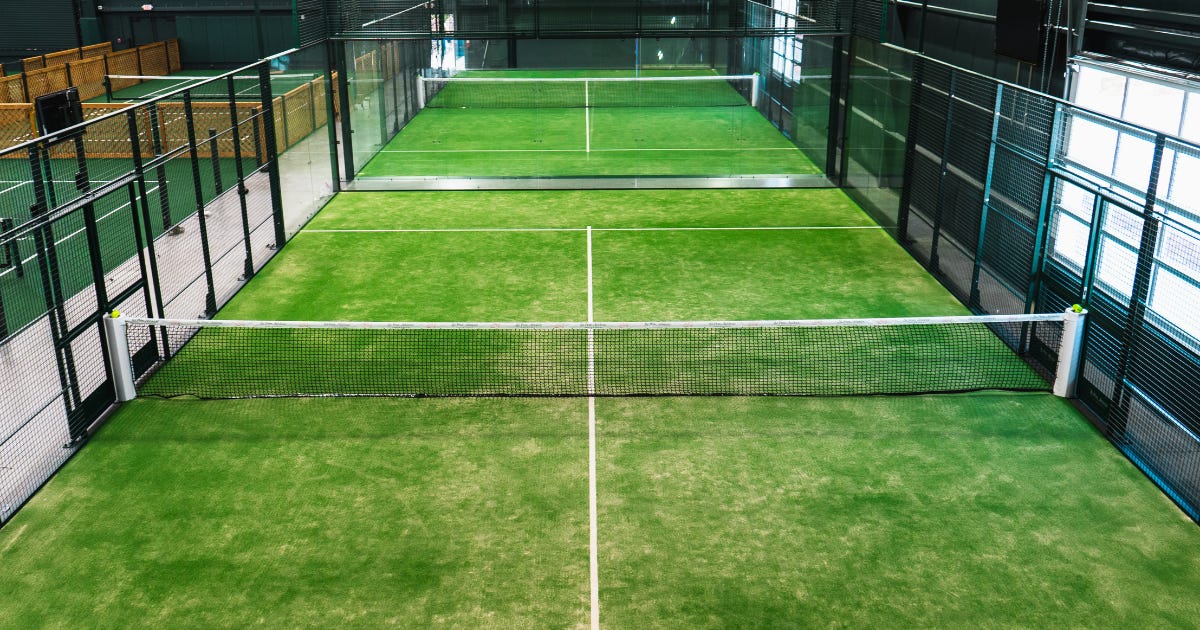
This Saturday, St. Pete Athletic is officially opening its new 18,000 sq ft expansion, introducing five padel courts alongside its existing racquet sports ecosystem. Based in St. Petersburg, FL, the club is rolling out a full launch week: preview nights, open play, clinics, and a grand opening tournament. 🌴
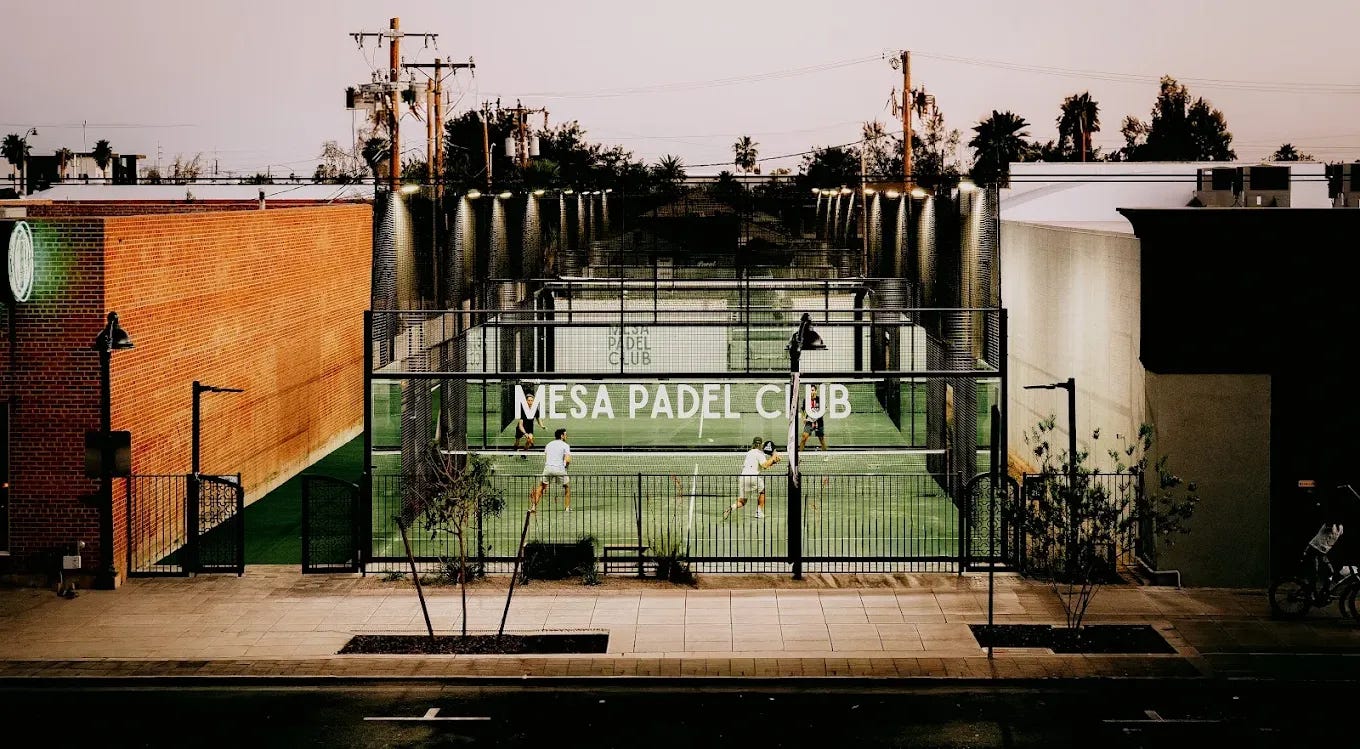
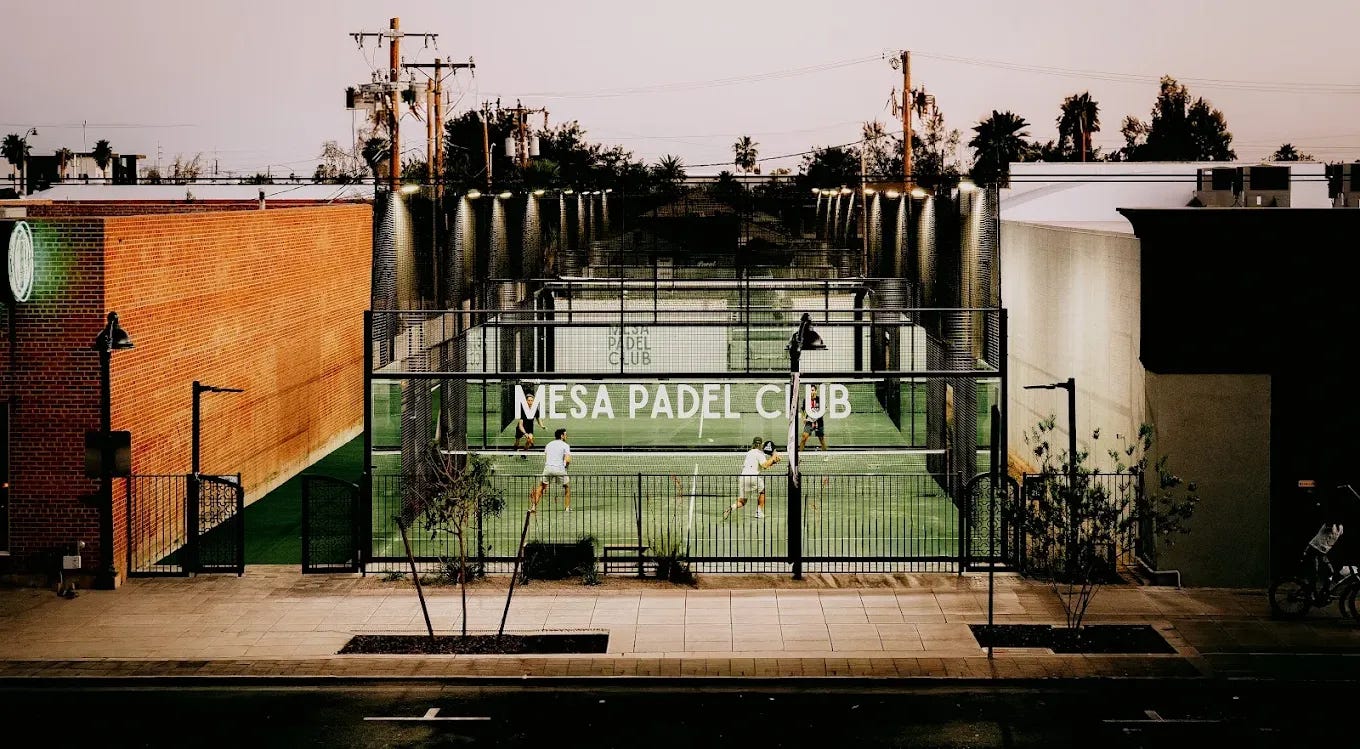
Mesa Padel Club has officially opened in downtown Mesa, AZ (30-minute drive from downtown Phoenix), featuring four outdoor courts. Positioned as a more accessible entry point to a sport often labeled “exclusive,” the club offers clinics, rentals, a pro shop, and a lounge designed for players and spectators. 🌵
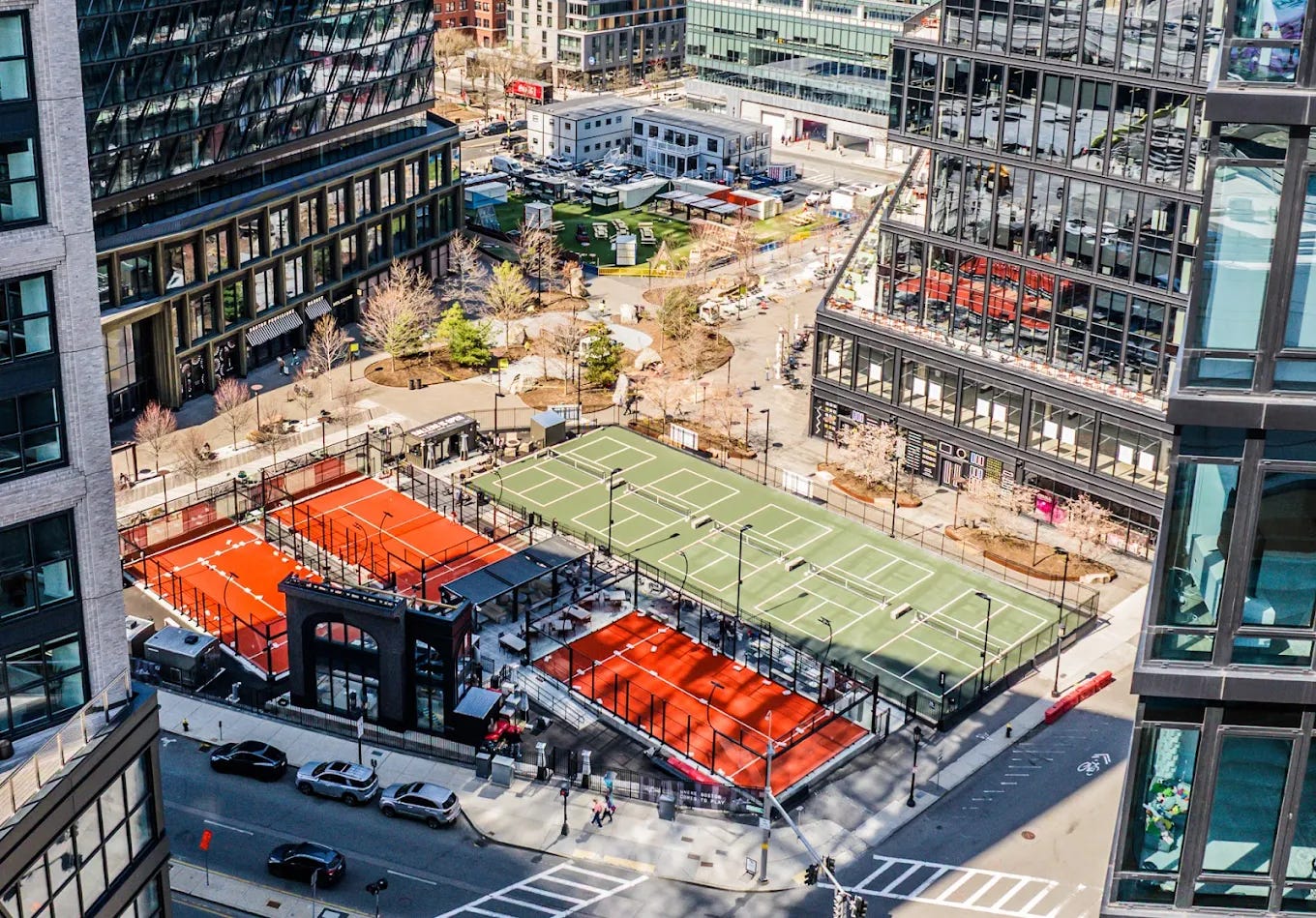
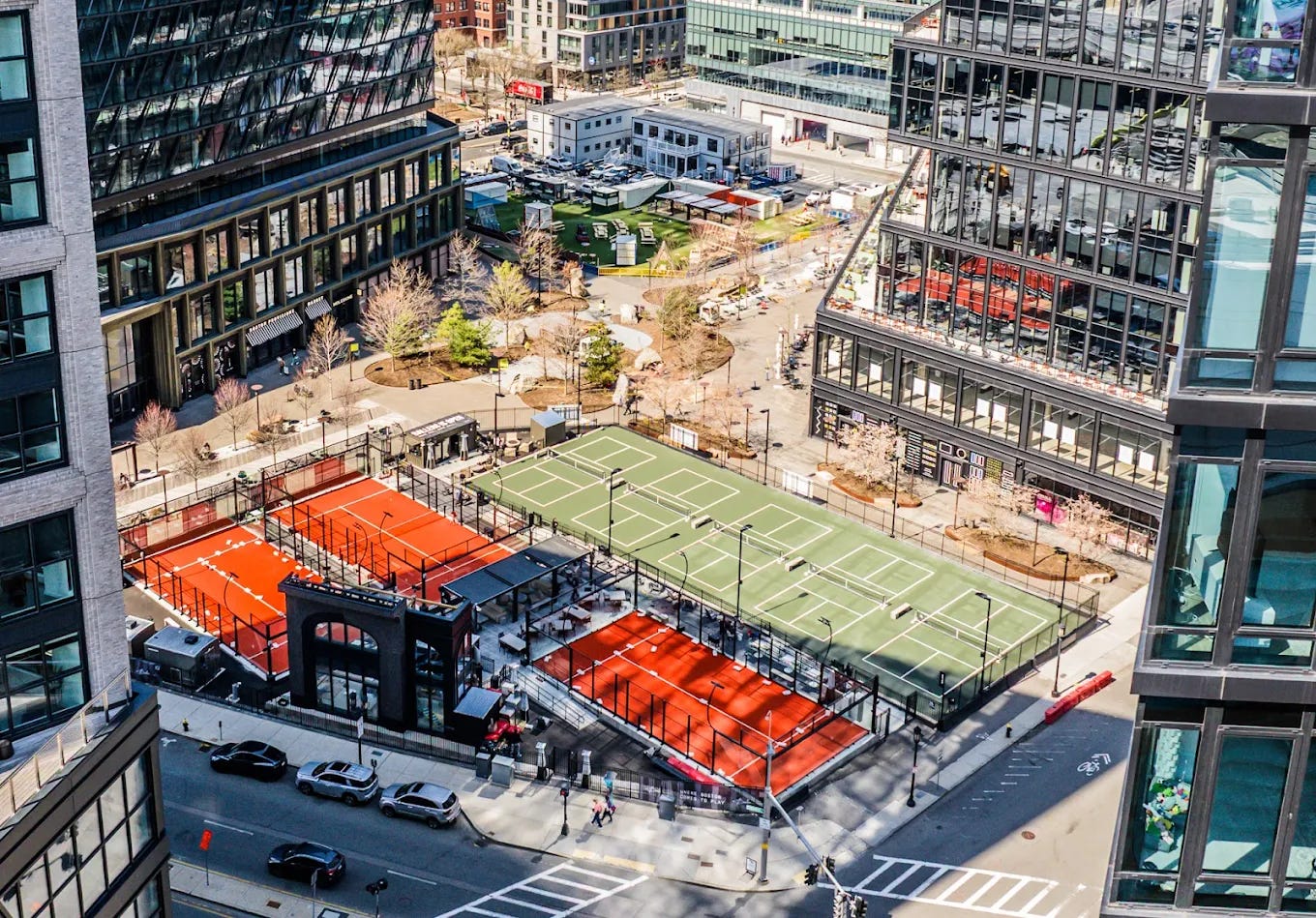
Alas, Philadelphia-based Ballers just opened in Boston’s Seaport district. The 30,000-square-foot waterfront social complex features three outdoor padel courts (first outdoor in the city), five pickleball courts, a chef-driven food truck, and curated social spaces. The franchise is backed by names like Andre Agassi and Kim Clijsters. 🦞

Coming Soon
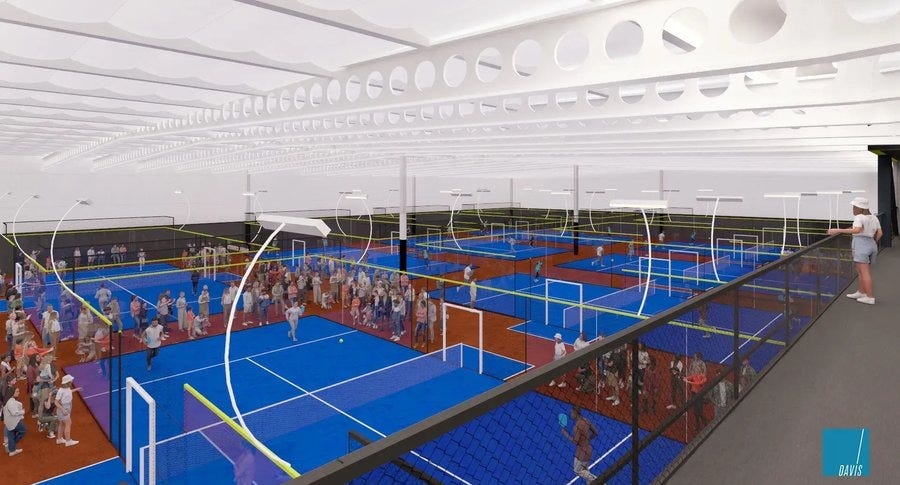
PURE Pickleball & Padel has secured final building permits for a ~196,000 sq ft indoor pickleball and padel complex in Scottsdale, AZ, clearing the way for construction to begin. The facility will feature 40 pickleball courts, eight padel courts, and a 1,200-seat championship arena. If that’s not enough, it’s expected to become the largest indoor pickleball and padel venue in the world upon its 2027 opening. 🌵
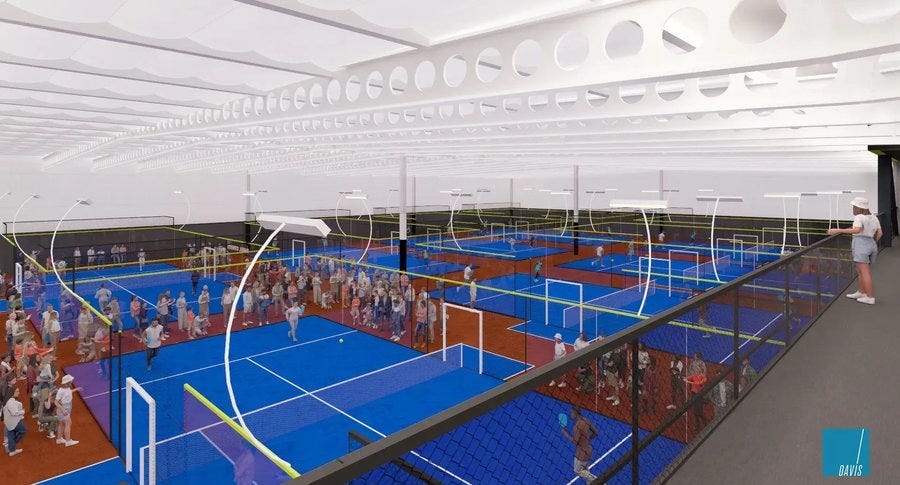
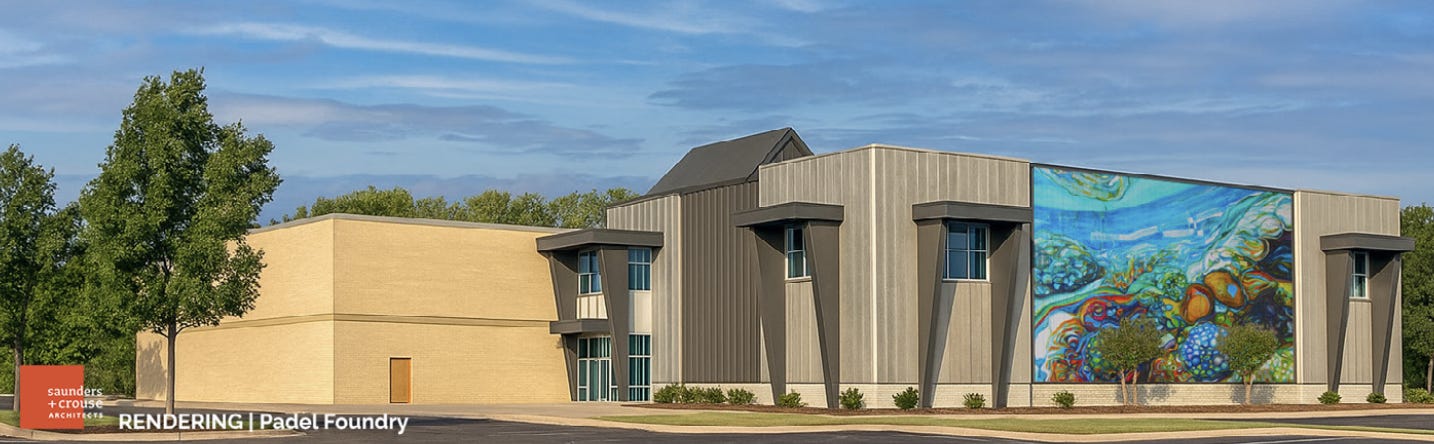
A former dine-in theater in Virginia Beach, VA is getting a second life as Padel Foundry, a purpose-built indoor padel and wellness hub slated to open in early 2027. The project is backed by a $6.3M acquisition. 🏖️
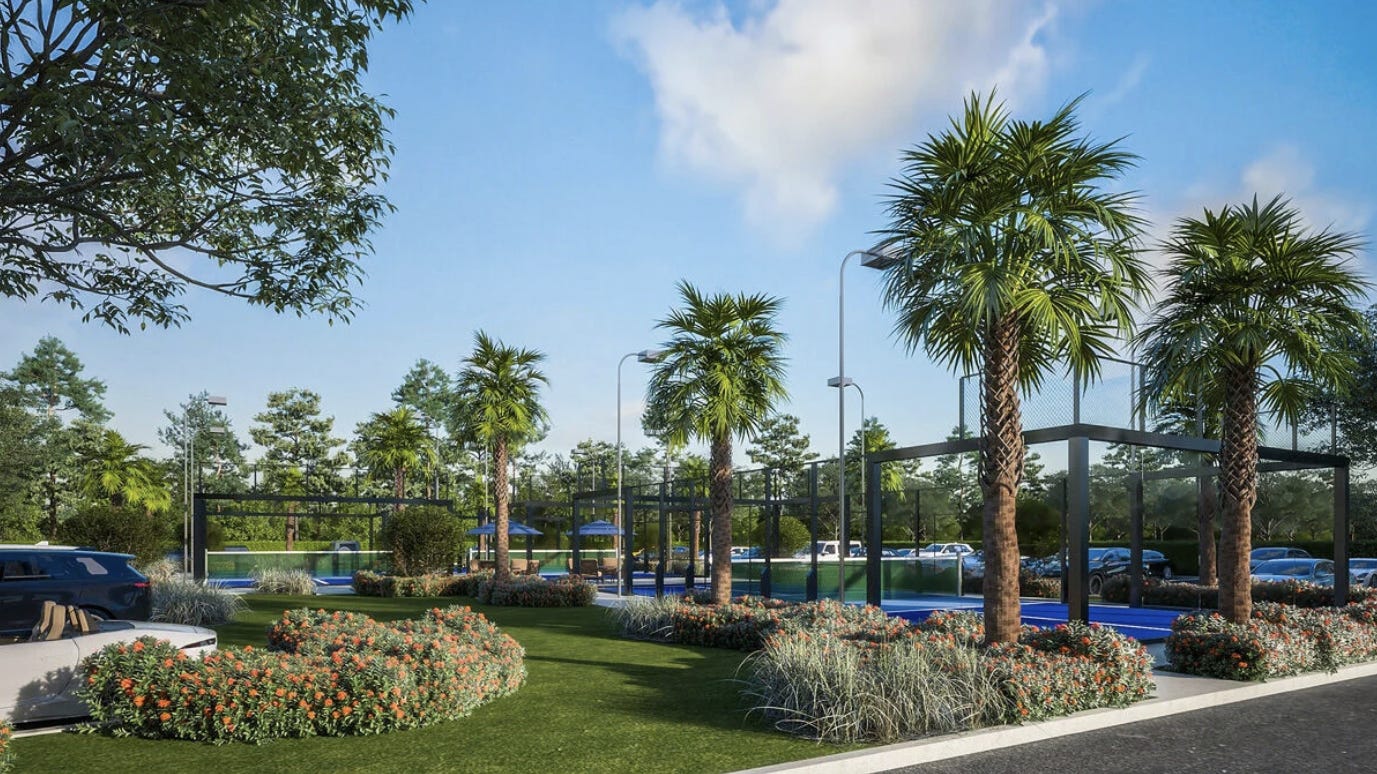
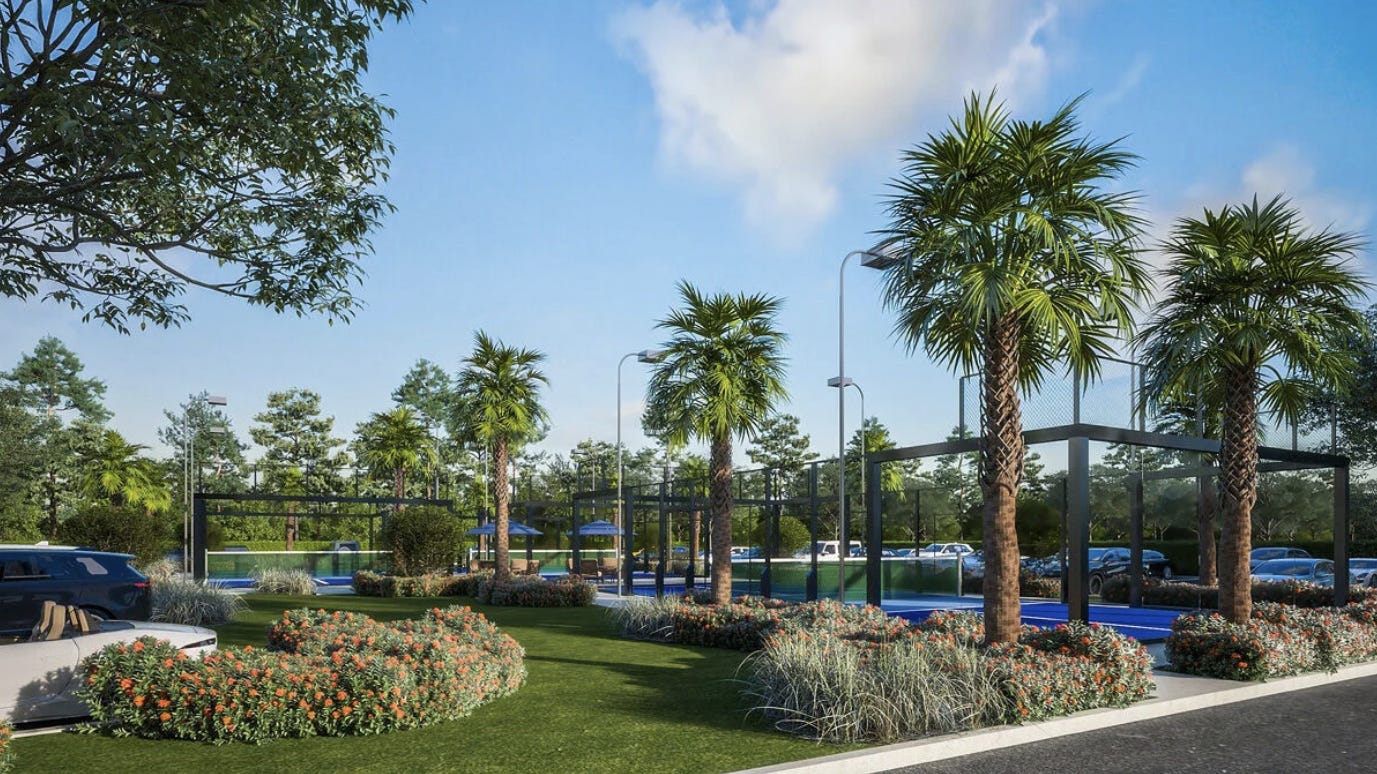
Quail Creek Country Club in Naples, FL is bringing padel into the fold with a new three-court complex set to open in summer 2026. The facility will integrate leagues, clinics, and youth programming alongside its existing racquet offerings. 🐊
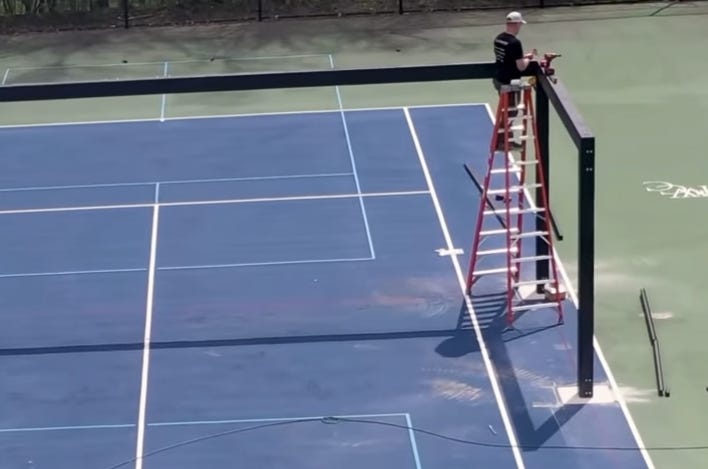
Padel is coming to Fort Wayne Country Club, which is unveiling the first outdoor court in the state of Indiana, built by Off The Glass, the only fully vertically integrated US padel court manufacturing and installation company. 🌽

📈 Up Your Game 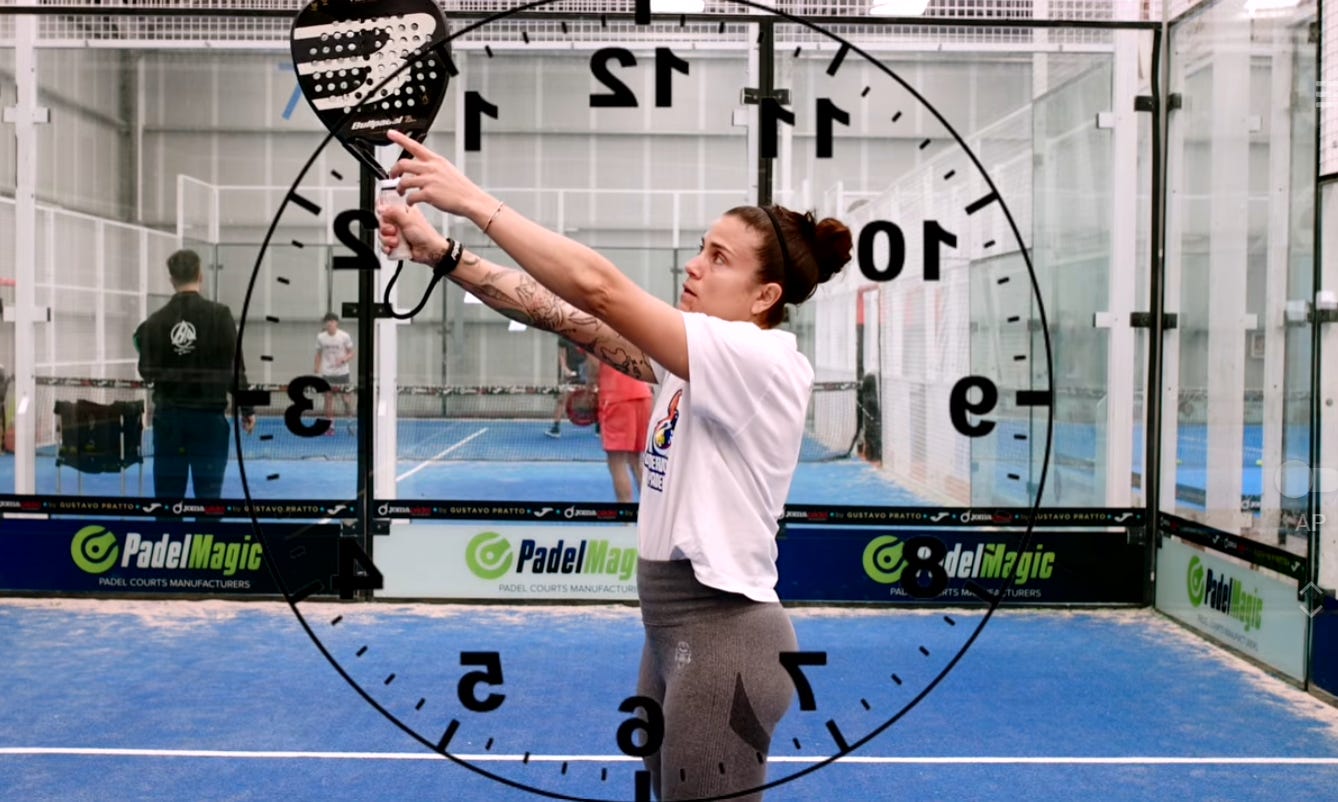
Clean Up Your Bandeja
So the bandeja is one of the first overhead shots most players learn in padel, which is exactly why so many players think they already have it. In reality, it’s one of the most misunderstood shots in the game. To quickly refresh, its job is to keep control, apply pressure, and hold the net position.
This 12.5-minute video does an excellent deep-dive. My notes below:
Mistake #1: Dropping the elbow and hitting too low. That might feel natural if you’re coming from volley-heavy habits, but the bandeja usually comes off a lob, which means you need a higher contact point and more margin. If your elbow drops, the shot becomes riskier and suddenly a defensive overhead turns into a panic shot.
The cure: Keep your elbow in line with your shoulder, or even a little higher. Make the movement obvious in practice, and record yourself if you have to (because what feels high enough often isn’t). The goal is to take the ball at the highest point you can comfortably reach so you buy yourself margin and control.
Mistake #2: Hitting too far in front. A lot of players rush the ball because they know the lob is coming, but they end up running faster than the shot and getting underneath nothing. That takes away body rotation, forces wristy contact, and makes the bandeja much harder to control.
The cure: Run with the ball, not ahead of it. Stay active with your feet, make small adjustments, and line up the contact point as you go. It may feel awkward at first, but that’s usually what progress looks like in padel.
Mistake #3: Preparing too late and hitting too close to your body. If you wait until the ball is already on top of you, you lose time, space, and the ability to use rotation and momentum.
The cure: Get the racket prepared as soon as the lob leaves your opponent’s racket, then move into position with your body already set.
Overall strategy, once the technique is cleaner: Aim for the corners and side glass, not the back wall, because the back wall gives your opponents an easier read and often lets them move forward. A good bandeja is deep, controlled, and… idk… annoying? Point is, it keeps them back and gives you time to stay at the net.
🌍 International Happenings 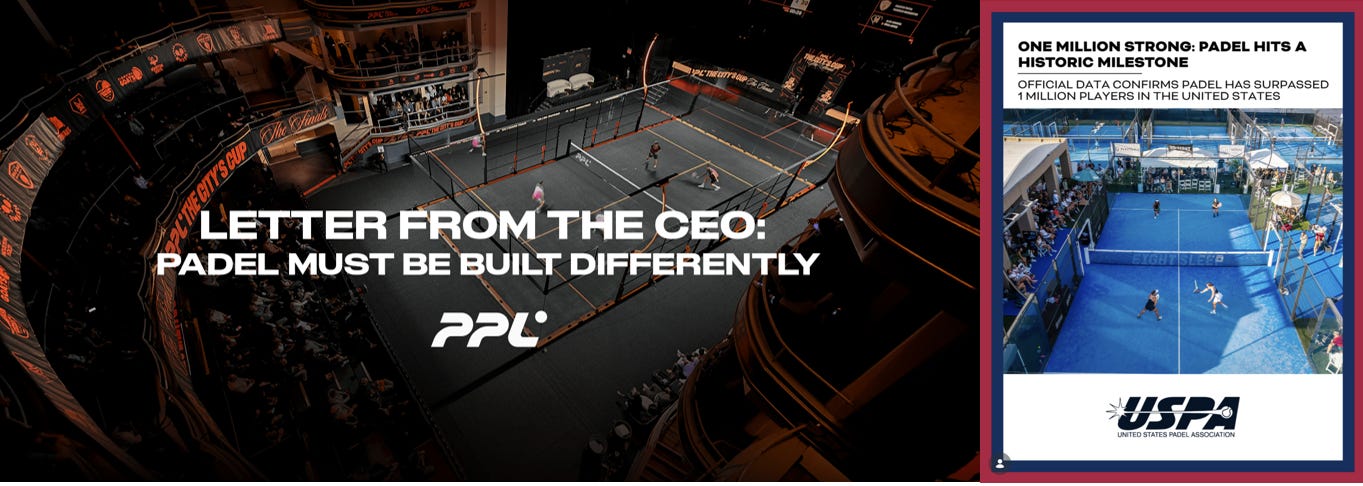
Growing Pains Hit the USA
So two announcements landed in the same week, and together they tell an interesting story about where U.S. padel is and where it’s trying to go.
First, the Pro Padel League (which spans 🇺🇸🇨🇦🇲🇽) published an open letter from CEO Michael Dorfman that’s worth reading in full. In a nutshell, the league is proposing guaranteed multi-year contracts, covered tournament expenses, equal prize money for men and women, and a franchise model designed to build actual fan bases. In other words, they want to avoid the financial structure that’s plagued professional tennis for decades: in 2025 for example, roughly half of total ATP/WTA prize money went to just 20 players. PPL is explicitly trying to build something that doesn’t replicate that pyramid.
Second, the USPA announced that padel has crossed one million players in the United States, per the 2026 SFIA Topline Participation Report (the first time the survey has tracked the sport). Mind you, the SFIA report doesn't disclose its counting methodology… a gap worth noting, since “someone who picked up a racket once” and “someone who books courts monthly” are not the same market signal. Prominent figures in the space caught on by sharing constructive pushback (here and here).
That milestone is genuinely exciting. It’s also worth pausing on.
This isn’t a knock on the USPA, which has done tremendous work building infrastructure and competitive programming. It’s rather a question about methodology… one the industry should be asking openly, precisely because the stakes are getting higher. Look, we’re all on the same team here, and the instinct to celebrate is right. But the discipline to interrogate the numbers is what keeps the celebration honest to benefit current and future players, operators, and investors alike.
🏆 Pro Padel Roundup3-Hour Match, Toxic Upset, & Untimely Reset (🇪🇬🇧🇪)
Men’s: High Drama, Yet (Kinda) Predictable… Women’s: Low Drama, Yet Hella Unpredictable
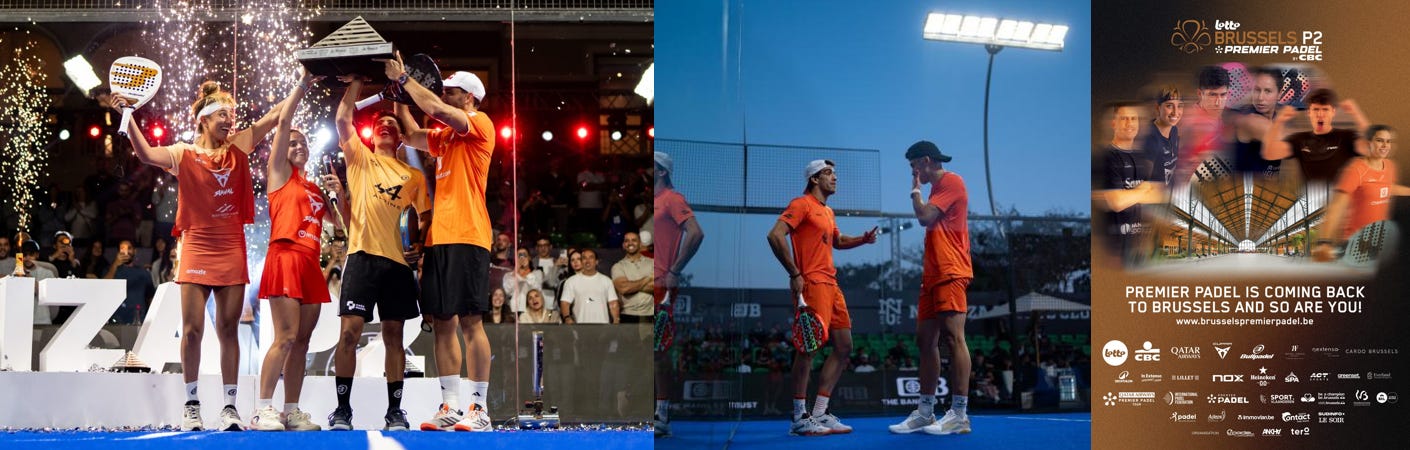
The Newgiza P2 was an absolute fever dream, and my head is still spinning. On the men’s side, Fede Chingotto / Ale Galán once again showed why they’re the most reliable force on tour, dispatching Stupaczuk / Yanguas 6-4, 6-1 in the final. Highlights here. Galán said they’re “playing at a very high level,” a clear warning shot to world No. 1s Tapia / Coello, who sat this one out.
Meanwhile, “loose cannons” Juan Lebrón / Leo Augsburger made the news… again. Knocked out by a qualifying pair, they dropped the final set 6-🥯 in a match where momentum completely abandoned them. At one point, Lebrón openly admitted, “it seems like we’ve forgotten how to play padel,” Fans couldn’t stop saying how when things go wrong for this pair, they absolutely unravel.
My theory: On paper, this partnership should work. Lebrón brings intensity, emotion, and experience; Augsburger brings raw power, youth, and upside. But I feel like they’re still searching for a shared identity. Lebrón tends to feed off energy and rhythm, while Augsburger’s more composed (sometimes borderline detached) demeanor doesn’t always provide that spark. Hence, a team that can look dangerous one set and completely lost the next.
The timing makes it even more interesting. Augsburger just signed a massive 14-year deal with Siux, locking him in as a long-term face of the sport, which only raises the stakes around his on-court development. So now you’ve got a player being positioned as a future cornerstone… paired with one of the most volatile personalities on tour… producing wildly inconsistent results. That tension does not resolve easily.
The women’s final, meanwhile, was absolutely wild. Paula Josemaría / Bea González edged Delfi Brea / Gemma Triay in a 3-hour, 3-set war (6-4, 5-7, 6-4) that felt like it could swing every five minutes. There were 13 breaks of serve (seven in the third set alone 😧) and the rhythm of the match was basically nonexistent. Highlights here. Josemaría now quietly sits at 19 Premier Padel titles, and at this point, it’s less dominance and more sustained control over the entire field.
Overall, the real story out of Newgiza might’ve been the conditions. The outdoor court neutralized smashes almost entirely, forcing even the biggest hitters into more conservative patterns. The “super high lob” became the meta, with players realizing quickly that anything too flat or aggressive was getting punished.
Pregamin’ the Brussels P2
There’s barely time to process any of that, because this week, the tour has already moved to Brussels, with the storyline of top seeds Coello / Tapia returning to defend their title. On the women’s side, Josemaría / González and Brea / Triay continue to look inseparable, as the top of their draw has evolved into matchups decided by a handful of points.
🎯 Quick Hits Beyond the Newgiza P2, Egypt is locking in its status as Africa’s padel hub, with its squash-heavy sporting culture steadily fueling the talent pipeline. That momentum is now formalized: the FIP just confirmed both the 2026 Junior Africa Cup and 2027 Africa Cup. (🇪🇬)
Buenos Aires will host the FIP Senior World Cup for the first time, marking its South American debut as the tournament expands to 32 national teams set across five age groups: 40+, 45+, 50+, 55+, and 60+. (🇦🇷)
British tennis and padel’s grassroots took center stage at the 2026 LTA Awards, where volunteers, coaches, and clubs were honored for driving the sport’s growth across the UK. (🇬🇧)
Community debates:
Do you warm up with your partner or opponents? Some players insist warming up with opponents is standard to scout weaknesses, while others argue it’s overrated and even misleading before match intensity kicks in.
My take: partners all day.
Hmm, seems like most players are stuck in a “matches-only” ecosystem where structured drilling is rare, expensive, or socially awkward to organize… is squeezing in 10–15 minute pre-match reps an acceptable solution?
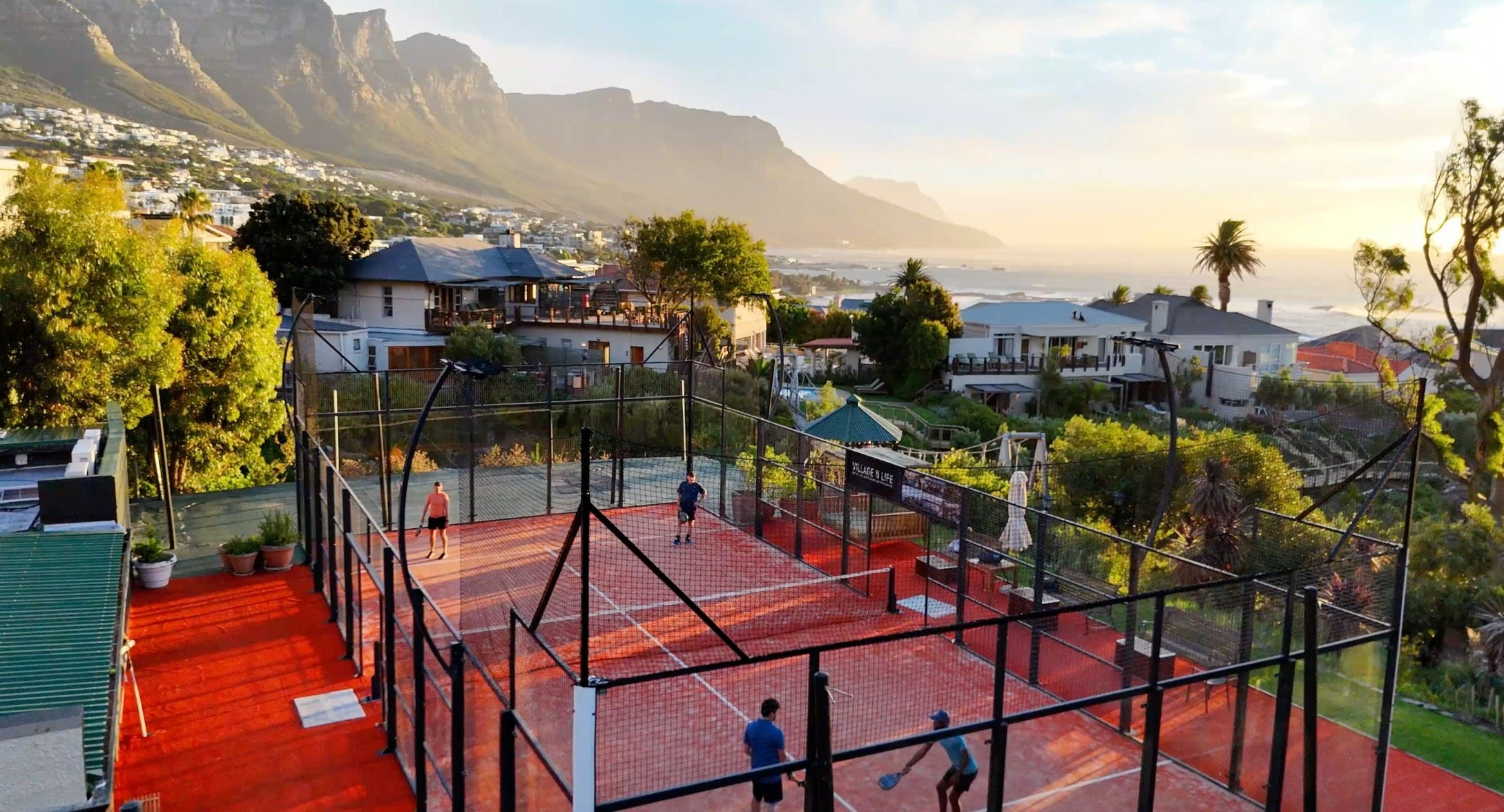
🤩 Cool Court of the Week📍 Cape Town, 🇿🇦
More info here!
Missed a recent issue? Todo tranca che ;) we got you covered:
📌 Hot take editorials:
Thanks for reading! My promise: I’ll keep the newsletters coming, you share with a friend if you’re enjoying. Está bien? Forward to a friend.
For more on-the-ground 🌎 padel content from a 🇺🇸 POV, follow @padelyanqui on Instagram! And if you have any feedback or news to share, just respond to this email :)
See you next week & keep smashing those volleys 🎾
Aris, Nice read, thanks! Great information on the goings on in padel. Cheers mate.